1. Checking the Forecast
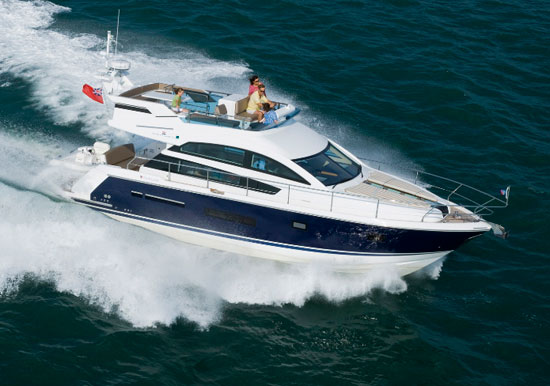
Always start by looking at the weather forecast. Reliable sources like the National Weather Service or dedicated marine weather websites provide detailed information about wind speeds, wave heights, and visibility. Pay attention to:
Wind Speed and Direction: High winds can create rough sea conditions, making it dangerous for both boating and diving. Typically, winds over 15 knots can cause significant wave activity.
Wave Heights: Higher waves can lead to choppy waters, which are less ideal for both activities.
Generally, wave heights above 3-4 feet can make conditions challenging.
Visibility: Clear skies and good visibility are essential for navigation while boating and for safety while diving. Low visibility can hinder your ability to see other vessels or obstacles.
2. Understanding Tides and Currents
Tides and currents can greatly affect your experience on the water. For boaters, strong tides can make docking difficult, while strong currents can make diving dangerous.
- Tidal Information: Check tide charts to know when high and low tides occur. Planning your activities around slack tide (the period between high and low tide) can offer calmer conditions.
- Currents: Strong currents can drift divers away from their starting point and make underwater navigation difficult. Use local marine charts and apps that provide current predictions.
3. Monitoring Marine Weather Warnings
Stay alert for any marine weather warnings issued by local authorities. These warnings could include:
- Small Craft Advisories: Indicate that sea conditions may be hazardous for small boats due to high winds and waves.
- Gale Warnings: Issued when sustained winds of 34-47 knots are expected. It’s advisable to avoid boating and diving during such conditions.
- Thunderstorm Warnings: Storms can come with heavy rain, lightning, and sudden strong winds. Always avoid the water if thunderstorms are in the forecast.
4. Observing Local Conditions
Sometimes, local observations can provide the best real-time information. Before heading out:
- Look at the Sky: Dark clouds, lightning, or sudden changes in wind patterns can indicate approaching storms.
- Listen to Local Mariners: Experienced locals can offer invaluable advice about current conditions and potential changes.
- Use Weather Apps: Apps like Windy, MyRadar, and NOAA Weather Radar can provide real-time updates and radar imagery.
- The Florida Eastern Coast is known for its beautiful beaches and vibrant marine life, but it’s also prone to various weather conditions that can impact boating and scuba diving activities. Here’s a quick overview:
Sunny Weather Conditions
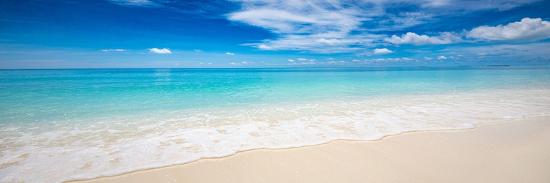
- Clear Skies: Bright, sunny days with clear blue skies are ideal for both boating and diving.
- Calm Winds: Gentle breezes make for smooth sailing and easier diving conditions.
- Warm Temperatures: Warm water temperatures are perfect for a comfortable dive.
Bad Weather Conditions
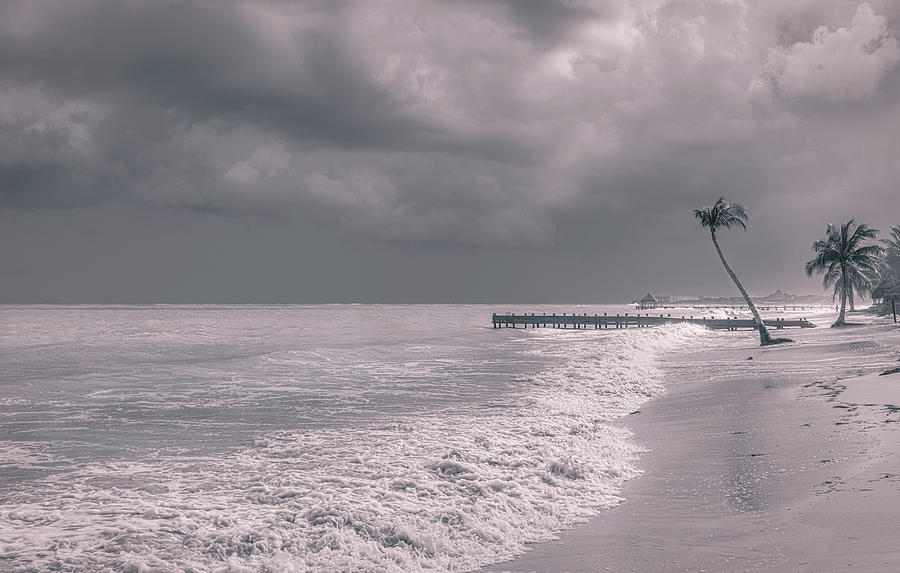
- Hurricanes: Florida’s east coast can experience hurricanes, bringing strong winds, heavy rains, and rough seas. It’s best to avoid the water during these times.
- Tropical Storms: Even if they don’t make landfall, tropical storms can create hazardous conditions with high waves and strong currents.
- Rip Currents: Dangerous rip currents can form during storms, posing a significant risk to swimmers and divers.
5. Preparing for the Unexpected
Even with thorough planning, weather conditions can change rapidly. Always be prepared:
- Safety Equipment: Ensure your boat is equipped with life jackets, flares, and a VHF radio. Divers should always have a surface marker buoy and a whistle.
- Communication: Inform someone on land about your plans and expected return time.
- Plan B: Have a backup plan in case weather conditions deteriorate. This could mean postponing your activity or having an alternative location in mind.
Conclusion
Assessing weather conditions is a fundamental step in planning boating and scuba diving activities. By being vigilant and prepared, you can ensure that your time on the water is safe, enjoyable, and memorable. Remember, when in doubt, it’s always better to err on the side of caution and wait for more favorable conditions.
Stay safe and happy adventuring! 🚤🤿